A Polish nanny who didn't know English, the first to see through my secret hidden in the food.-7
She Increases Cleaning Frequency
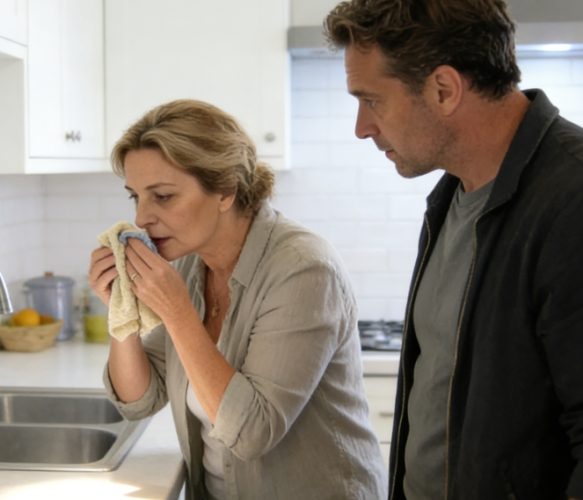
Marta initiates extra cleaning passes in the kitchen. Originally, she did one thorough clean each morning. Weeks later, she adds targeted afternoon sessions focusing solely on my preparation area. After wiping, she holds the cloth up to the light, examines it. Then she brings it close, sniffs. Once I ask: "What are you smelling?" "Smell," she replies. "What smell?" "Chemical." "Cleaning products?" "Not just." "What else?" She looks at me: "Medicine smell." Silence.
She continues: "Medicine has special smell. Bitter. Metal." "You can smell it?" "Good smell," she taps her nose. "In Poland, grandmother taught herbs. By smell." "No herbs here." "But medicine." She washes the cloth. Hot rinse. Wrings it out. Repeats the cleaning until she nods after sniffing: "Clean." This extra ritual lasted about two weeks. Frequency decreased later, but every morning after a night session, this special cleaning was guaranteed.
Vocabulary Attempts
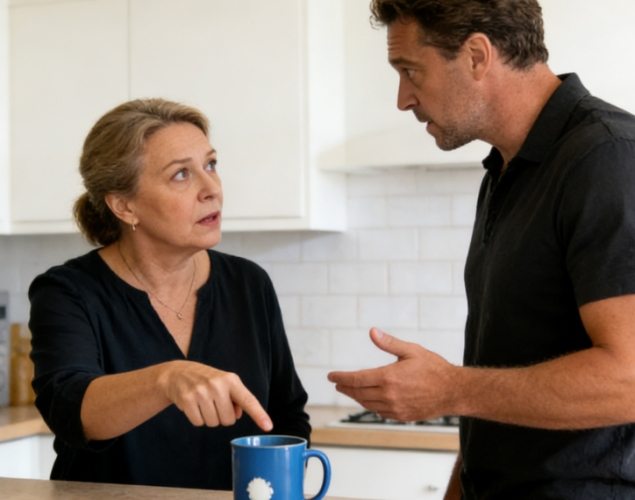
Marta buys a small black-covered notebook. Starts listing English health words. Asks me "caffeine." I answer. She writes it down, drawing a coffee cup and the Polish word alongside. Days , she points at the blue mug: "Use night?" "Sometimes." She asks what's inside. "Tea." She asks what kind.
"Herbal tea." She cuts to it: "Help sleep?" I admit it. She wants to see the box. "Ran out," I say. She doesn't push. A week later, she arrives with an English-Polish dictionary. Finds "sedative." Asks me the meaning. "Sedative." "Like sleeping pill?" "Similar." She looks at me: "You drink sedative night?" "Something to help sleep." "Doctor give?" "Yes." "How long take?" "Months." "Still work?" "Need adjust dose." "Need more?" Nod. After that, she stops asking directly about the pills. But I see new entries in her notebook: dependence, tolerance, side effects, withdrawal.
NEXT >>
Marta initiates extra cleaning passes in the kitchen. Originally, she did one thorough clean each morning. Weeks later, she adds targeted afternoon sessions focusing solely on my preparation area. After wiping, she holds the cloth up to the light, examines it. Then she brings it close, sniffs. Once I ask: "What are you smelling?" "Smell," she replies. "What smell?" "Chemical." "Cleaning products?" "Not just." "What else?" She looks at me: "Medicine smell." Silence.
She continues: "Medicine has special smell. Bitter. Metal." "You can smell it?" "Good smell," she taps her nose. "In Poland, grandmother taught herbs. By smell." "No herbs here." "But medicine." She washes the cloth. Hot rinse. Wrings it out. Repeats the cleaning until she nods after sniffing: "Clean." This extra ritual lasted about two weeks. Frequency decreased later, but every morning after a night session, this special cleaning was guaranteed.
Vocabulary Attempts
Marta buys a small black-covered notebook. Starts listing English health words. Asks me "caffeine." I answer. She writes it down, drawing a coffee cup and the Polish word alongside. Days , she points at the blue mug: "Use night?" "Sometimes." She asks what's inside. "Tea." She asks what kind.
"Herbal tea." She cuts to it: "Help sleep?" I admit it. She wants to see the box. "Ran out," I say. She doesn't push. A week later, she arrives with an English-Polish dictionary. Finds "sedative." Asks me the meaning. "Sedative." "Like sleeping pill?" "Similar." She looks at me: "You drink sedative night?" "Something to help sleep." "Doctor give?" "Yes." "How long take?" "Months." "Still work?" "Need adjust dose." "Need more?" Nod. After that, she stops asking directly about the pills. But I see new entries in her notebook: dependence, tolerance, side effects, withdrawal.
NEXT >>